

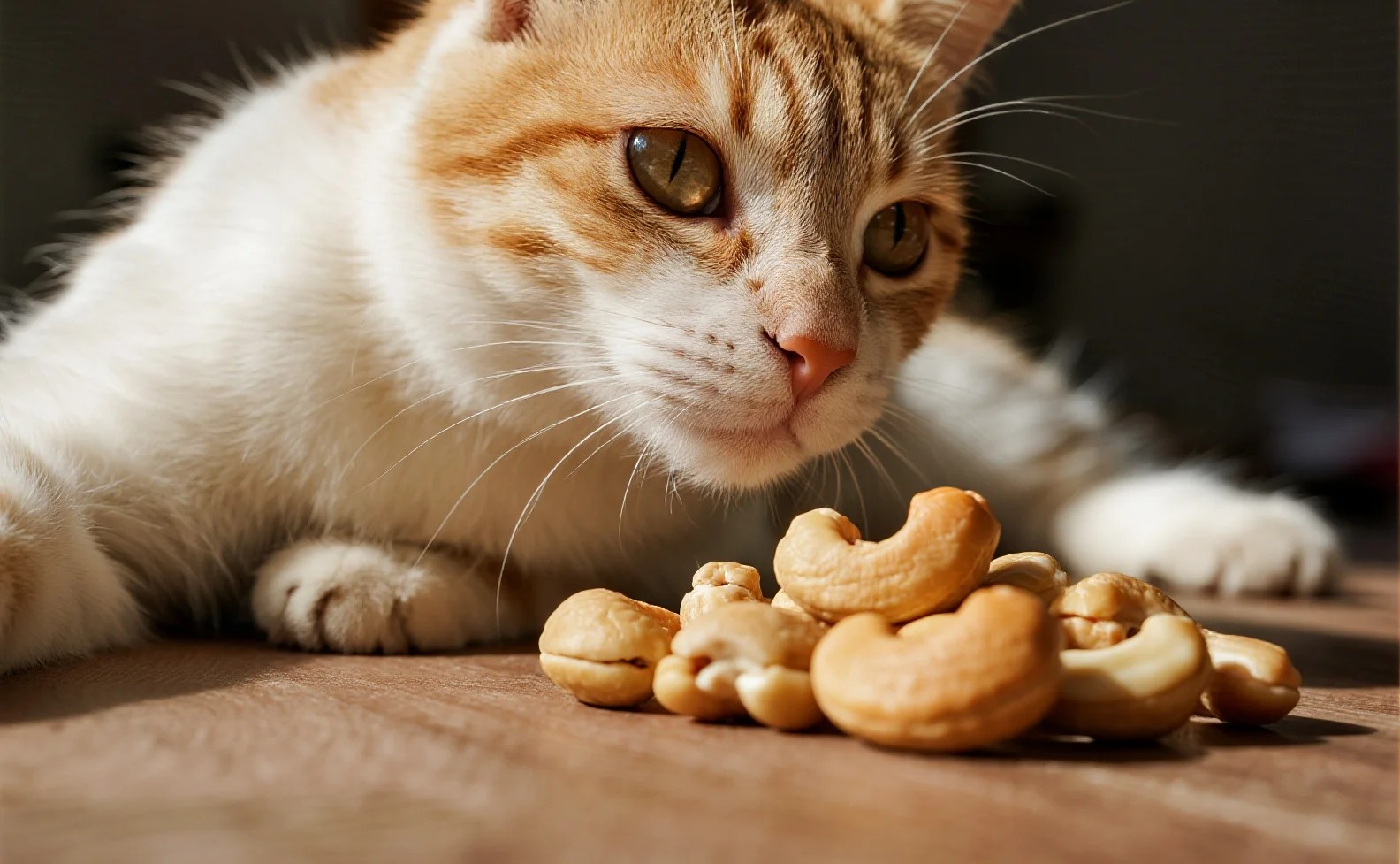
As a cat owner, you may find yourself wondering if it’s safe to share your snack with your feline friend. One question that often arises is: can cats eat cashews? While many pet owners enjoy sharing their food with their pets, it’s crucial to understand the risks and benefits involved. In this article, we will explore whether cats can safely consume cashews and what potential effects these nuts might have on their health.
Table of Contents
Understanding Your Cat’s Diet
Before diving into the specifics of cashews, it’s important to recognize that cats are obligate carnivores. This means their diet primarily consists of meat, and they have unique nutritional needs that differ from those of omnivores like humans. Cats require specific amino acids, vitamins, and nutrients found mainly in animal tissues. Thus, any plant-based food, including cashews, should be regarded carefully.
Nutritional Profile of Cashews
Cashews are often praised for their nutritional profile for humans. They provide healthy fats, protein, vitamins, and minerals. However, while these benefits apply to humans, the same does not necessarily hold true for cats. Here’s a brief overview of what’s in a cashew:
- Healthy Fats: Cashews are a rich source of monounsaturated fats, which are essential for human health. However, cats can struggle to digest fats properly, especially in large amounts.
- Protein: Cashews contain protein, but it’s plant-based protein that lacks some essential amino acids cats need, like taurine.
- Vitamins and Minerals: Cashews have various vitamins such as E, K, and B6, along with important minerals like magnesium, phosphorus, and zinc. While some vitamins are beneficial, most minerals in cashews are not required in significant quantities for cats.
Risks of Feeding Cashews to Cats
While sharing a small amount of cashews may seem harmless, there are several risks to consider:
Digestive Issues: Cats have delicate digestive systems that may not handle nuts well. Consuming cashews can lead to gastrointestinal upset, causing symptoms such as vomiting, diarrhea, or abdominal discomfort
Obesity Risk: Cashews are high in calories. Regularly offering your cat cashews as a treat can lead to weight gain and related health problems such as diabetes and joint issues.
Allergic Reactions: Some cats may be allergic to nuts. Symptoms of an allergy can range from mild (itchiness, gastrointestinal upset) to severe (difficulty breathing, swelling).
Pancreatitis: High-fat foods can trigger pancreatitis in cats. Eating cashews, which are rich in fats, could lead to this potentially serious condition.
- Choking Hazard: Nuts like cashews can pose a choking risk, particularly if the pieces are not small enough for your cat to chew easily.
Potential Benefits of Cashews (In Moderation)
While the risks are noteworthy, there may be slight benefits if cashews are given in moderation:
Healthy Fats: In very small quantities, the healthy fats in cashews could provide energy for your cat. However, it’s essential to recognize that there are better options for optimal nutritional value.
- Variety in Diet: Introducing a small amount of cashew could add variety to a cat’s diet. However, this should not replace their primary food.
- Training Treats: If your cat enjoys the flavor of cashews, they could serve as a training tool for certain behaviors. But, always opt for a minimal portion.
Expert Recommendations
Veterinarians generally advise against feeding cashews to cats, primarily due to the aforementioned risks. If you’re intent on introducing new foods to your cat’s diet, it’s best to consult with a veterinarian first. They can provide recommendations tailored to your pet’s specific health needs and dietary restrictions.
Safer Alternatives
If you want to give your cat a treat, consider safer options such as:
- Commercial Cat Treats: These are formulated specifically for a cat’s nutritional needs.
- Cooked meats: Small pieces of cooked chicken, turkey, or fish can be an excellent protein source.
- Catnip or Cat Grass: These natural treats may be more appealing and safer for your cat.
Conclusion
In conclusion, while cashews might be safe for humans, they pose several risks to cats. While some benefits exist, they are far outweighed by the potential health hazards.
Always prioritize your cat’s health by sticking to foods formulated for their specific dietary needs.
If you wish to introduce new treats or flavors, always consult with a veterinarian to ensure the happiness and well-being of your feline friend. Sharing snacks may seem like a loving gesture, but the best way to show love is through proper nutrition tailored to your cat’s needs.
Frequently Asked Questions
Can cats eat cashews? Are they toxic?
Cashews are not considered toxic to cats by major veterinary authorities. The ASPCA Animal Poison Control lists cashews as non-toxic to cats, and Pet Poison Helpline similarly does not classify them as poisonous. However, both organizations strongly advise against feeding cashews to cats due to the high fat content and associated health risks. Source: ASPCA
What are the risks of feeding cashews to cats?
Cashews pose several risks to cats. They contain ~44-48g fat per 100g, which can trigger pancreatitis — a potentially life-threatening condition (VCA Hospitals). A single ounce of cashews (~157 calories) equals nearly an entire day’s caloric needs for a 10-lb cat, contributing to obesity (Journal of Feline Medicine and Surgery). Cats also lack the enzymes to digest plant carbohydrates efficiently, leading to vomiting and diarrhea (PetMD). Roasted/salted cashews add sodium toxicity risk — cats need only ~40mg sodium per day (VCA Hospitals). Whole cashews also pose a choking hazard for small cats. Source: PetMD | Source: VCA Hospitals
Are there any nutritional benefits of cashews for cats?
No. Cats are obligate carnivores and derive no meaningful nutritional benefit from cashews. While cashews contain protein (~18g/100g), it is plant-based and lacks essential amino acids cats need like taurine. The fats in cashews are plant-based and lack arachidonic acid, which cats require from animal sources. High magnesium (292mg/100g) and phosphorus (593mg/100g) levels may actually be harmful — magnesium can contribute to urinary crystals in cats, and high phosphorus is problematic for cats with kidney disease (USDA FoodData Central). VCA Hospitals states cashews provide “empty calories” for cats. Source: VCA Hospitals
What should I do if my cat eats cashews?
If your cat eats 1-2 plain, unsalted cashews, monitor for gastrointestinal upset — no emergency action is needed for most cats. If your cat eats multiple cashews or salted cashews, offer fresh water and watch for vomiting, diarrhea, or lethargy. Contact your vet if symptoms develop. Emergency situations requiring immediate veterinary attention include: chocolate-covered cashews (chocolate is toxic to cats), signs of pancreatitis (vomiting, abdominal pain, lethargy, fever), or signs of salt poisoning (excessive thirst, tremors, seizures). For poisoning concerns, call ASPCA Animal Poison Control: (888) 426-4435 or Pet Poison Helpline: (855) 764-7661. Source: Pet Poison Helpline
What are safe alternatives to cashews for cats?
Instead of cashews, VCA Hospitals recommends these healthier treats: Cooked chicken (plain, no salt or spices — 1-2 small pieces 1-2x/week), freeze-dried meat treats (single-ingredient chicken, salmon, or beef), commercial cat treats formulated for feline nutrition, and small pieces of cooked fish like salmon or tuna packed in water (1 tbsp, 1x/week max due to mercury concerns). Foods to avoid: almonds, macadamia nuts, peanuts, and any salted or seasoned nuts. Always consult your veterinarian before introducing new treats. Source: VCA Hospitals